How it arose
History
Shusha was born as an impregnable fortress — and became the pearl of Karabakh. Its history is one of courage, trade, art and love for the native land.
How it arose
Shusha was born as an impregnable fortress — and became the pearl of Karabakh. Its history is one of courage, trade, art and love for the native land.
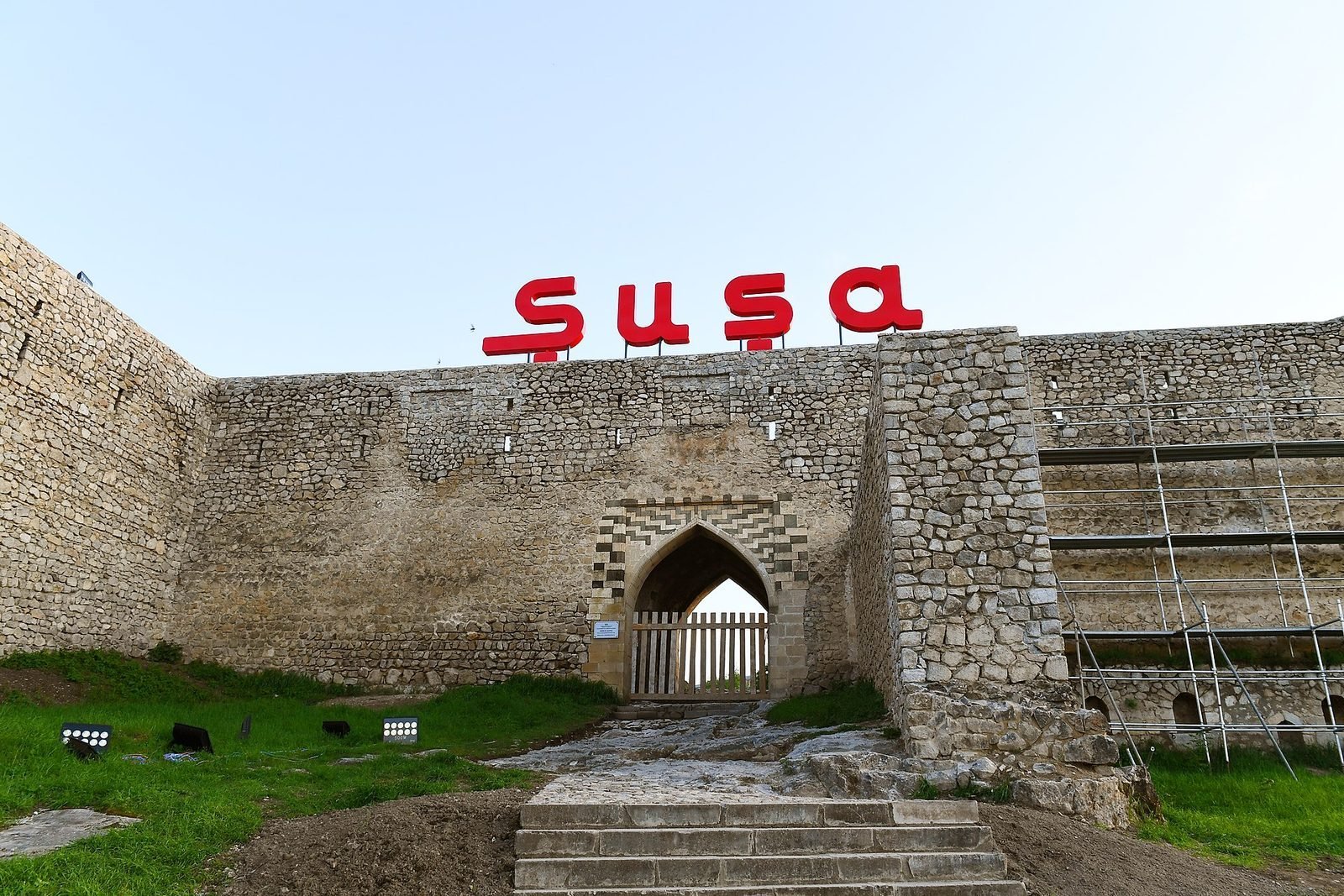
To understand Shusha you must climb to it in the mountains. Here, on a natural rock, a city was built that for centuries remained the heart of Karabakh.
History
Shusha was founded in 1752 by Panah Ali Khan — creator and first ruler of the Karabakh khanate — as a fortress to defend it. A natural plateau with cliffs made the city all but impregnable.
The name "Shusha" is linked to the word for "glass", for its clear mountain air. The fortress soon became the capital of the khanate and the main city of all Karabakh.

History
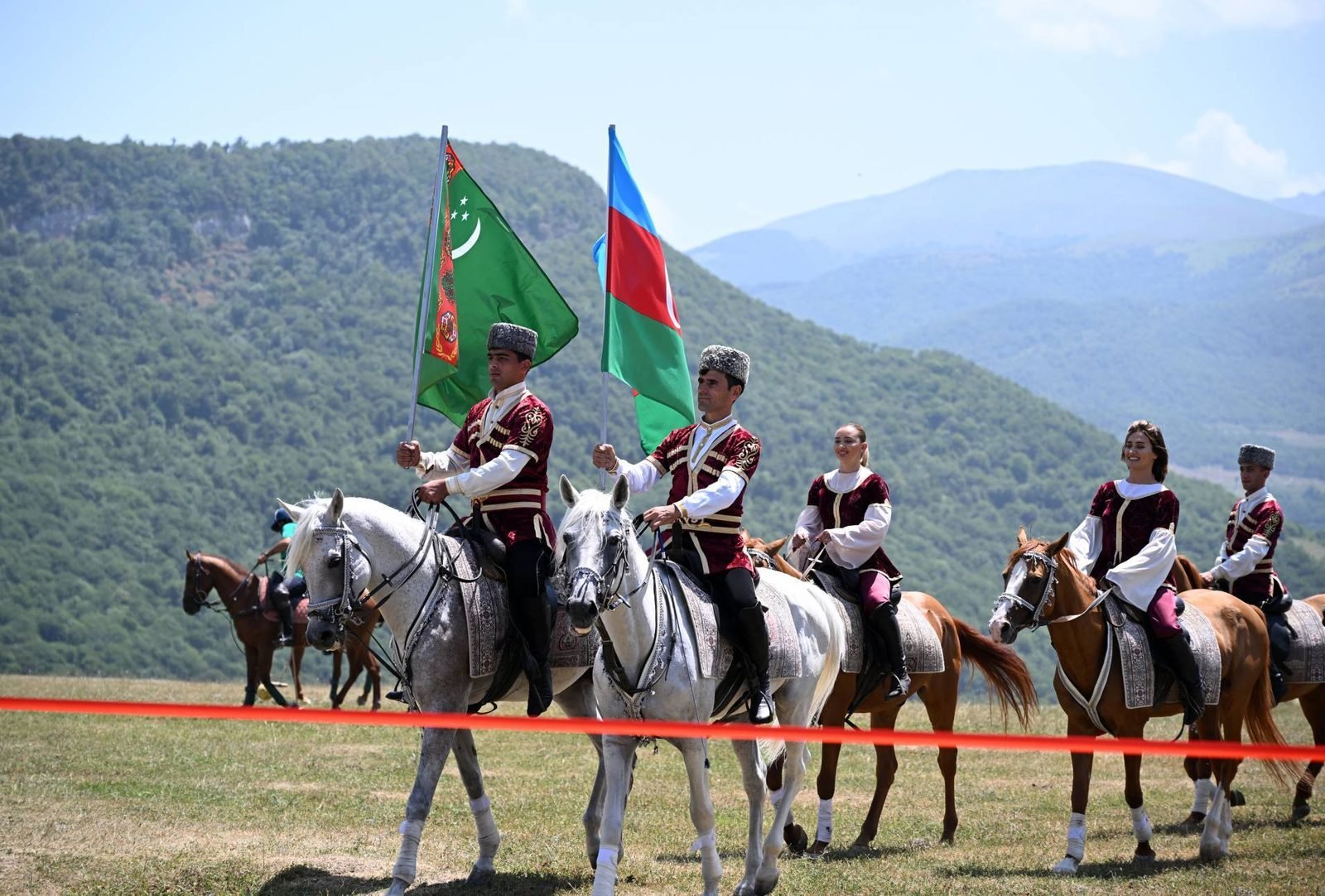
In the 19th century Shusha enjoyed a cultural and commercial flourishing. People built palatial houses, kept the famous Karabakh horses and held races on the Jidir Plain — the "field of races".
The city became a magnet for poets, musicians and merchants of the whole region — and won fame as the cultural pearl of the Caucasus.
Milestones of history
The founding of the fortress by Panah Ali Khan.
Shusha, the main city of the Karabakh khanate.
A mountain plateau with cliffs protected the city.
The field of races and the famous Karabakh horses.
Datings and details of the early history vary across sources; the most common information is given here.